





After the collective experience of isolation felt during the pandemic, it’s perhaps no coincidence that increasing numbers of road cyclists are choosing to ride together in cycling groups and collectives all over the world. After the stark revelation that doing things alone isn’t always fun, the camaraderie of pushing on as a group until the next coffee stop can be a joyful experience.
It’s more than just a mobile social club, though. There’s valuable wisdom to be picked up from more experienced members; performance-boosting skills to develop; chat about the best road cycling kit; new routes to discover; and by joining your local club you can play your own part in making the roads a safer and more inclusive place.
To get the lowdown on why you should join a local cycling club, we spoke to the three cycling club members who appear in adidas Cycling’s latest campaign films: Biola Babawale from London’s all-women Velociposse, Ramzy Al-Taher from Dubai’s Gaijin Cycling, and André Pinard from the Brooklyn crew, KnightRyders.
“I set about looking for a women’s club, because I wanted a space where I’d be comfortable to try things out, fail, and improve without judgement”
-Biola Babawale, Velociposse chairperson
SO WHERE DO YOU START?
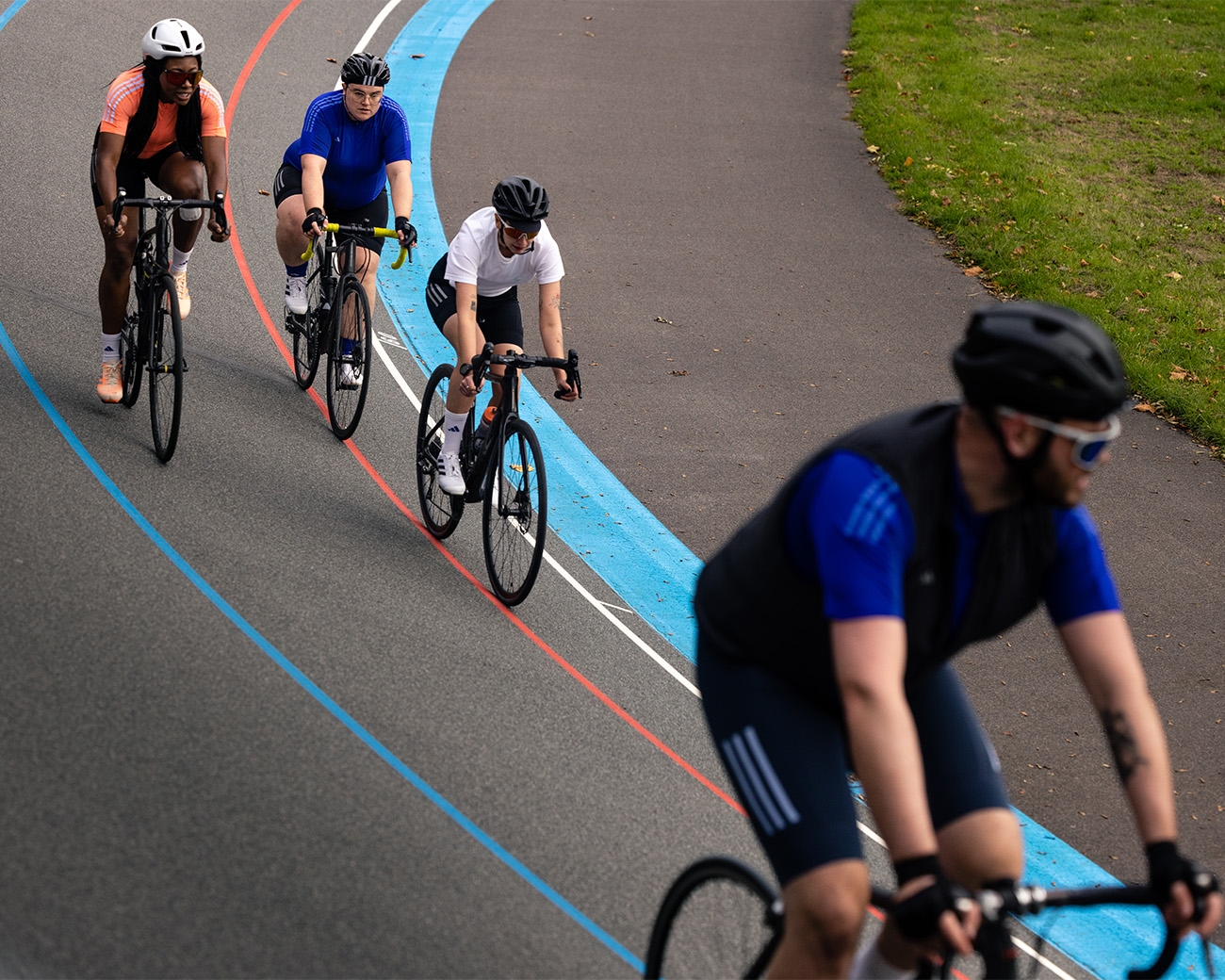
Cycling groups all have their own niche. Some are focused on hammering climbs and formation riding, while others will be centred around coffee stops. Finding a group that ticks all the right boxes for you is key when choosing a club, and there’s no shortage of resources to put you on the right track.
Striking up conversation at your local bike shop or velodrome, and tapping into a deep well of local knowledge, is the obvious first step, along with searching for nearby groups via social media. And if you’re itching to go, then Strava and the adidas Running app, Runtastic, is a virtual starting line for finding clubs and group challenges to suit every pace and ability.
Overloaded with options, then, the next step is to match a group to your own precise needs – just as Velociposse member and club chairperson Biola did. Following some personal challenges in her life, the Londoner wanted a club that would boost her confidence while also tapping into the joy of cycling she’d felt as a child.
“I set about looking for a women’s club, because I wanted a space where I’d be comfortable to try things out, fail, and improve without judgement,” she explains. “I chose Velociposse because, although it wasn’t that diverse in terms of ethnicity, it was clear from their photos that this was a group of women from different backgrounds and life experiences. The photos showed them having fun, doing cool things, getting sweaty, and belly laughing.”
Biola turned up for one of their slow skills sessions without any cycling gear of her own and immediately found a “match made in heaven”. Her advice, then, is to do your research, trust your instinct, and turn up.
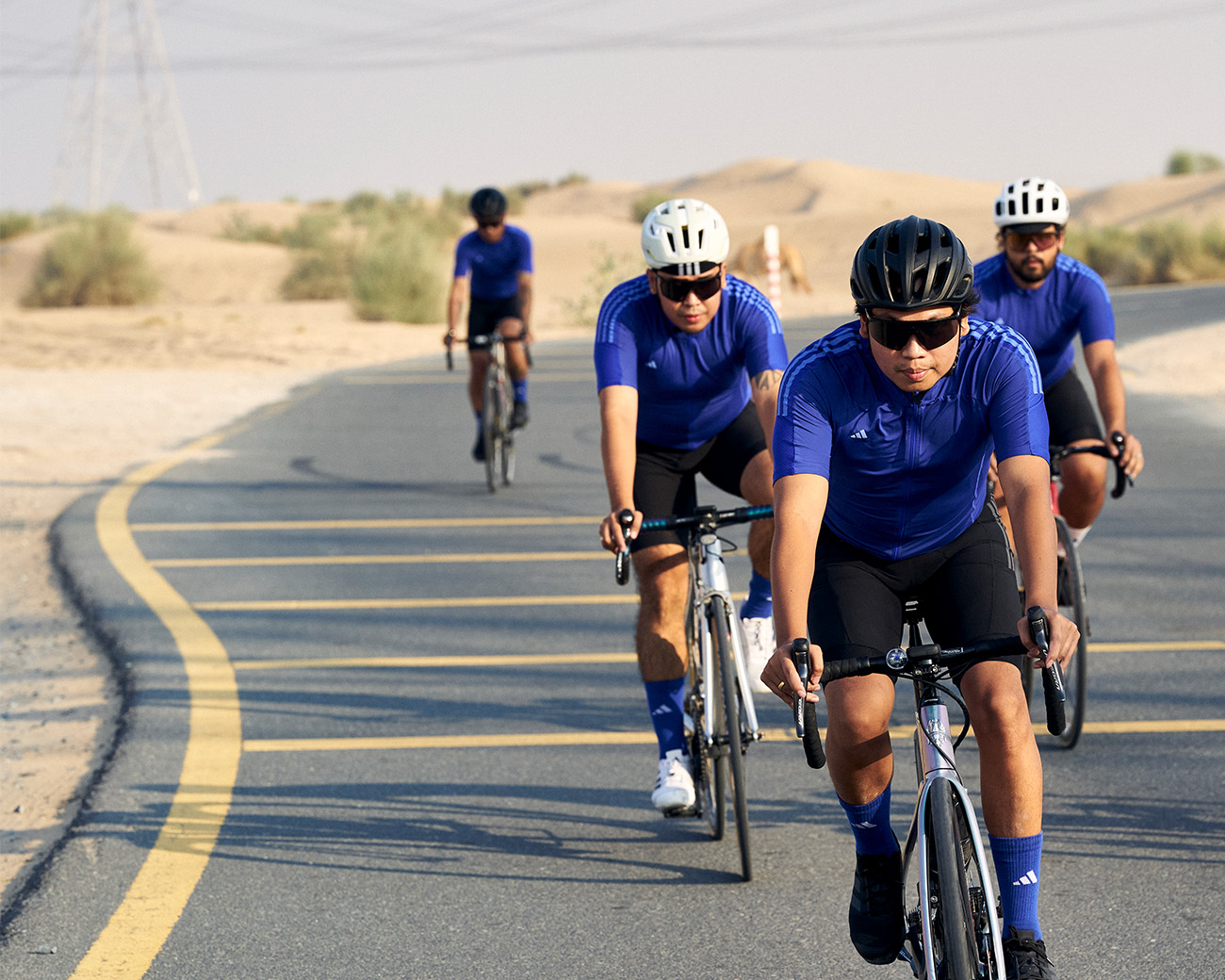
FIND A COMMUNITY THAT FITS
Some would-be road cyclists will have the confidence to rock up to a local group without giving it a second thought. For others, though, the journey into road cycling with a group can, for a whole range of reasons, feel overwhelming and take time to get going.
“Cycling has a huge learning curve of expensive trial and errors, and it can be quite intimidating riding in a group setting,” says Gaijin Cycling co-founder Ramzy, who started riding alone before experimenting with several different cycling clubs in Dubai. As he discovered, not every group will work for you. “I spent two years trying to find a community to be part of but never felt right in any of them.”
If this is the case, there’s no need to settle for one you feel uncomfortable in; what’s the fun in that? There are so many group riding options available, catering for all sorts of riders, that you can cycle through as many as you like until you find a crew that fits.

IF YOU STILL CAN'T FIND THE RIGHT GROUP, FORM ONE YOURSELF
Cycling clubs don’t need to be well-oiled organisations. Forming one can be as simple as posting a shoutout on social media or riding with your closest friends on a regular basis until it grows into something else.
New York’s André Pinard has been riding for over 40 years but it wasn’t until 2015 that he co-founded KnightRyders as a “means to create brotherhood, fellowship, and a bond”. And what started out as a group of friends became something much bigger during the pandemic, when they opened the club up to the wider community as an antidote to lockdown isolation.
For Ramzy, too, his years spent searching for the right group and never quite gelling with any was enough to inspire him to set up his own.
"It just so happened that friends, and friends of friends, were also starting out on their own cycling journeys,” he explains. “We all vibed with each other, and so founding Gaijin was the most natural thing for us to do. We all felt like outsiders, and wanted to welcome everyone else who felt the same, giving them a community to be themselves in, and a space to learn the ropes.”
“It just so happened that friends, and friends of friends, were also starting out on their own cycling journeys...We all vibed with each other, and so founding Gaijin was the most natural thing for us to do. We all felt like outsiders, and wanted to welcome everyone else who felt the same, giving them a community to be themselves in, and a space to learn the ropes.”
-Ramzy Al-Taher, Gaijin Cycling co-founder
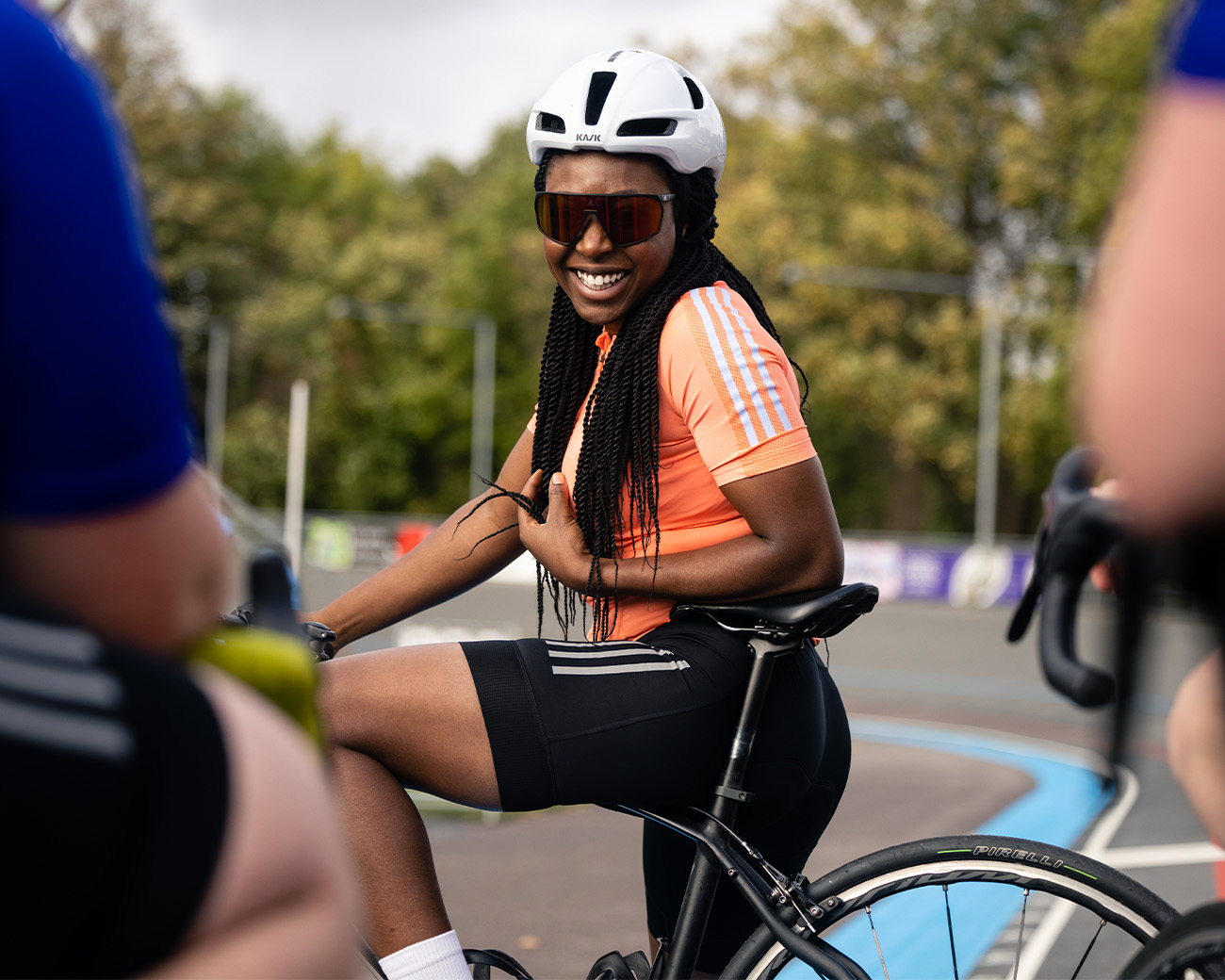
THE SPIN-OFF BENEFITS OF GROUP CYCLING
“The vibe,” says Ramzy to encapsulate the uplifting experience of group rides. “When the crew vibes, everything is fun. And when everything is fun, the more we’re out there, pushing for change through our main pillars of nonconformity, being yourself at all costs, diversity, and representing different cultures and backgrounds.”
André calls this “miles that matter”. Along with riding with new people, making new friends, creating new routes, and trying out new refuelling spots, his favourite aspect of cycling with KnightRyders is the opportunity it brings to harness his fellow members’ passion to create “purposeful endeavours”.
“Basically,” says André, “ensuring that our rides and our community have an impact on the issues and causes we think need support and amplification. For example, bike lanes in disenfranchised neighbourhoods and food insecurity.” One example of the club’s positive-impact ethos in play is the support they give Brooklyn’s One Love Community Fridge – a non-profit organisation providing fresh fruit and vegetables to those who need it.
The social aspect of cycling, and the friendship and support that comes with it, also brings the chance to learn from trusted sources. “A huge part of the fun of cycling is meeting other cyclists,” says Biola, “so I would encourage women to get in touch with their local clubs and go on a beginner or social ride-out. You'll have more experienced cyclists on hand to provide support and give you tons of great advice.” Which brings us neatly to our next point.
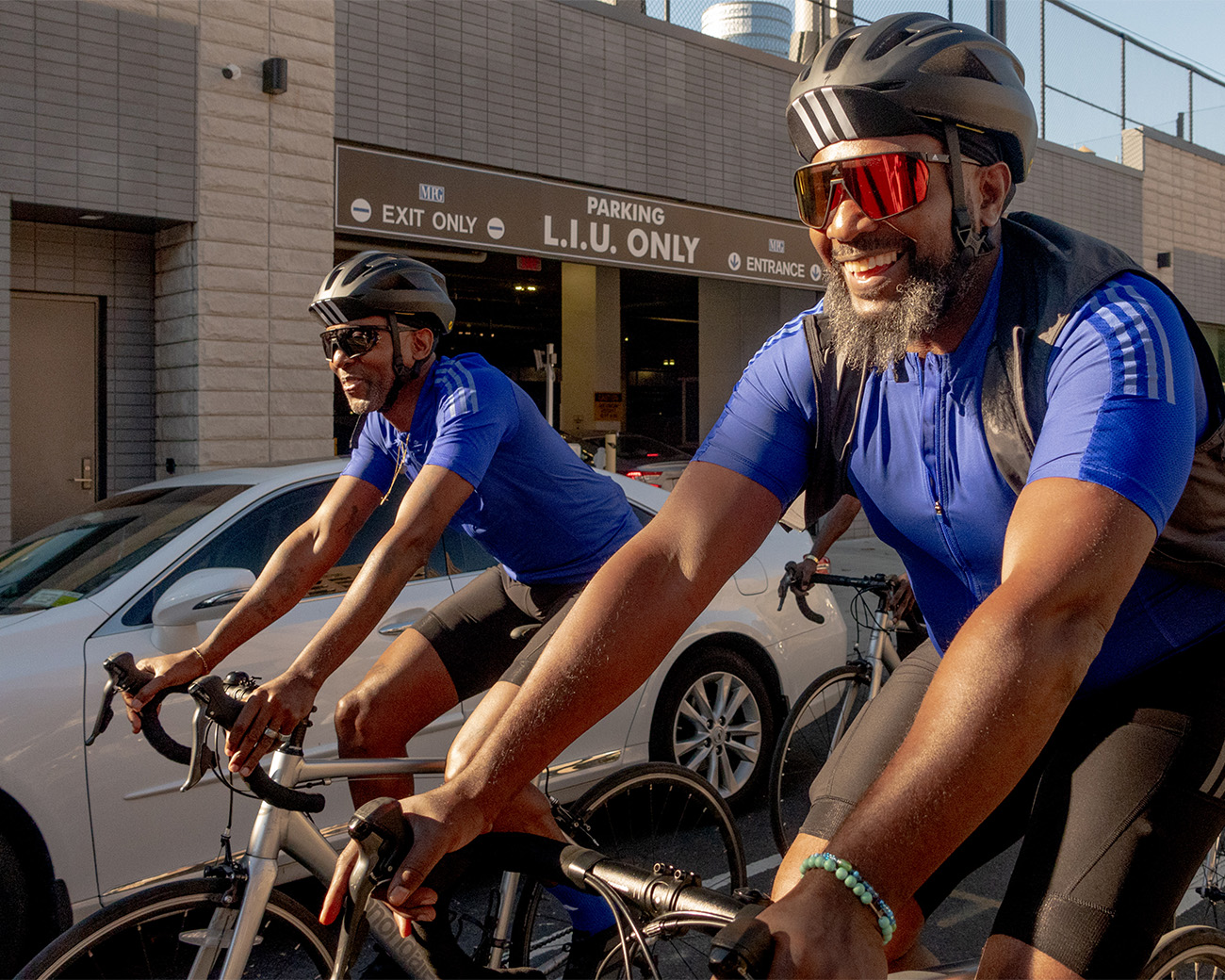
EXPANDING YOUR CYCLING SKILLSET
Group riding will teach you many things. The lingo, where to find the best en-route eats, and how to manage your pace. But these clubs also provide lessons in teamwork and how to support one another, along with tips on the technical aspects of cycling, such as bike maintenance and what cycling kit to buy. Information that’s best received first-hand.
“We have a dynamic in the team where people share their experiences with each other,” says Ramzy. “Be it how to get faster, bike upgrades, how to be safer riding in a group, and even racing tactics. For me, the biggest skill I've learned is leadership, by being a part of the leadership group within the community.”
Many cycling clubs will host skill sessions, too, with more experienced members like Ramzy imparting advice on how to ride safely. In the first few months with Velociposse, Biola got to grips with wearing cleats and riding track at London’s Herne Hill Velodrome, as well as learning bike control in a series of slow skills sessions. All of which means she’s now eyeing-up her next step: off-road cycling. “That’s why I love this cycling community!”
As a co-founder of KnightRyders, André, like other veteran club cyclists, is paying it forward, passing on his knowledge to other members. It’s a skill in itself that he’s had to develop. “When we host rides, community members come who are slower or less skilled,” he explains. “So I consciously employ empathy and vulnerability so they can feel like we have an inclusive community. On all our rides, we have a ‘no rider left behind’ philosophy that makes riders feel comfortable to come out with us.”
“On all our rides, we have a ‘no rider left behind’ philosophy that makes riders feel comfortable to come out with us.”
-André Pinard, KnightRyders co-founder
HOW CYCLING CLUBS ARE DRIVING THE PUSH FOR CHANGE
As well as creating a space to learn and improve without judgement or embarrassment, the close bonds formed within cycling clubs can pave the way for a shared belief that things can be better. On and off the road.
In recent years, cyclists have played a big part in protests around the world, organised fundraisers and deliveries during the pandemic, and put pressure on those in power to take cycling infrastructure more seriously. Cycling clubs are playing a leading role, too, in changing what road cycling looks like by making it a more inclusive and welcoming sport. Something that Biola, André and Ramzy, along with their respective clubs, are all red hot on.
“Velociposse is a group of action,” explains Biola. “I feel like we’re able to address the lack of representation within cycling by engaging the industry, as well as showcasing all-women cycling. By becoming more visible, we can say to more women, ‘you will not be alone if you want to cycle’.
“When I first started,” she adds, “this didn’t exist, and it’s important to create space for everyone. Making the sport more inclusive will take time and effort, but what I’m most proud of Velocipossee for is investing in this through our women of colour and trans-only skill sessions. It's a small but important step to increasing diversity.”
For André and KnightRyders, adidas Cycling’s message of push for change aligns closely with his club’s “miles that matter” ethos; a manifesto to use the community they’ve built to have fun, while doing good and changing the image of road cycling. As a group founded by Black men, this is something they’ve been doing from the very start.
“Even that act in itself is a statement,” André says. “A statement that pushes the boundaries of what cycling can look like, of who can be involved, and even how cycling can be used as a tool to push for change.”
EIGHT REASONS FOR JOINING A COMMUNITY CYCLING GROUP
- Give your cycling confidence a boost without fear of judgement
- Pick up essential skills, like how to wear cleats and road safety
- Learn how to ride and pace in a group setting
- Get advice on technical aspects of cycling, such as bike maintenance
- Find out where all the best routes and snack stops are
- Make progress in a safe and welcoming space
- Meet new friends and become part of an inclusive community
- Enjoy the buzz that comes with camaraderie, support and good vibes
Totally new to cycling? Mexico City road specialist Ana Puga has got you. Here, she shares some top tips for starting out in her discipline. Once you’ve got these basics on board, you’re probably wondering what type of cycling you want to pursue, and starting to realise that finding the right kit and expert advice can be a tricky task. Maybe you’re raring to hit the road for some long-distance adventures, or are you going all in for gravel? Whatever way you decide to ride, we hope these quickfire guides will steer you in the right direction.