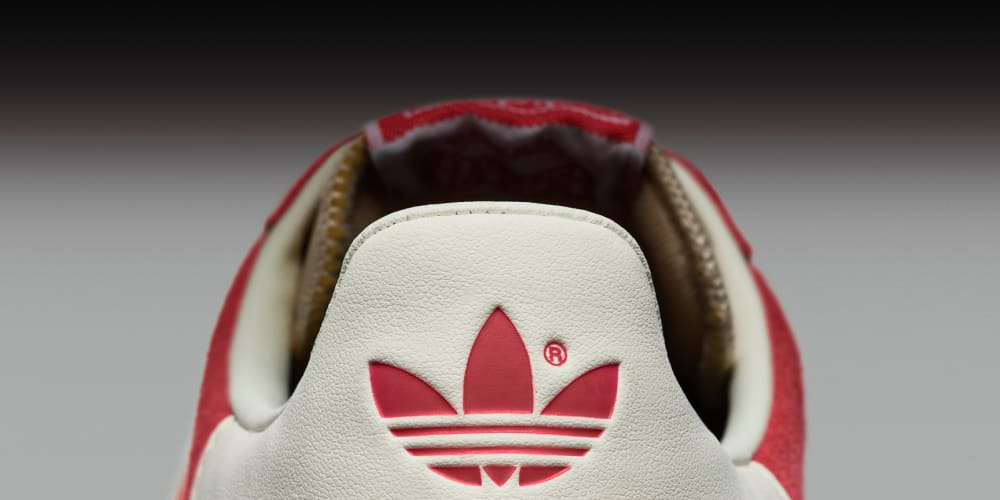
Moving strong for over 70 years: the adidas Gazelle
Born in sport, embraced by style. Since its 1966 debut, the adidas Gazelle has evolved from a performance trainer into a global fashion staple.

1966
Since its first appearance in 1966, the adidas Gazelle has remained a symbol of understated style and versatility. Originally created as a multi-purpose training shoe, its streamlined silhouette and suede upper quickly found fans far beyond the sports world. Over the decades, the Gazelle has continually reinvented itself: introduced in a spectrum of bold colors, materials, and textures, yet always maintaining its minimalist charm. Whether paired with track pants in the 70s, denim in the 90s, or contemporary streetwear today, the Gazelle has been embraced by generations who value its effortless style. A fixture in music scenes and subcultures worldwide, from Britpop to hip-hop, the Gazelle carries an authenticity few shoes can match. More than just a sneaker, it’s a canvas for self-expression—one that’s never gone out of style.

1966. The Birth of the Gazelle
Originally released in just two colors, the Gazelle was designed for versatility—red for indoor sports and blue as a training shoe.

A Legacy in the Making
The Gazelle’s roots trace back to the early 1960s Olympiade model, laying the foundation for its lightweight design and enduring appeal.


From Sport to Style
After making its mark in athletics, the Gazelle became a fixture in fashion, appearing in photo shoots and on the streets throughout the 70s and 80s.
From Sport to Style
After making its mark in athletics, the Gazelle became a fixture in fashion, appearing in photo shoots and on the streets throughout the 70s and 80s.


An Icon Reinvented
By the 90s, the Gazelle had fully transitioned into a lifestyle staple, embraced by club culture, tastemakers, and Originals worldwide.